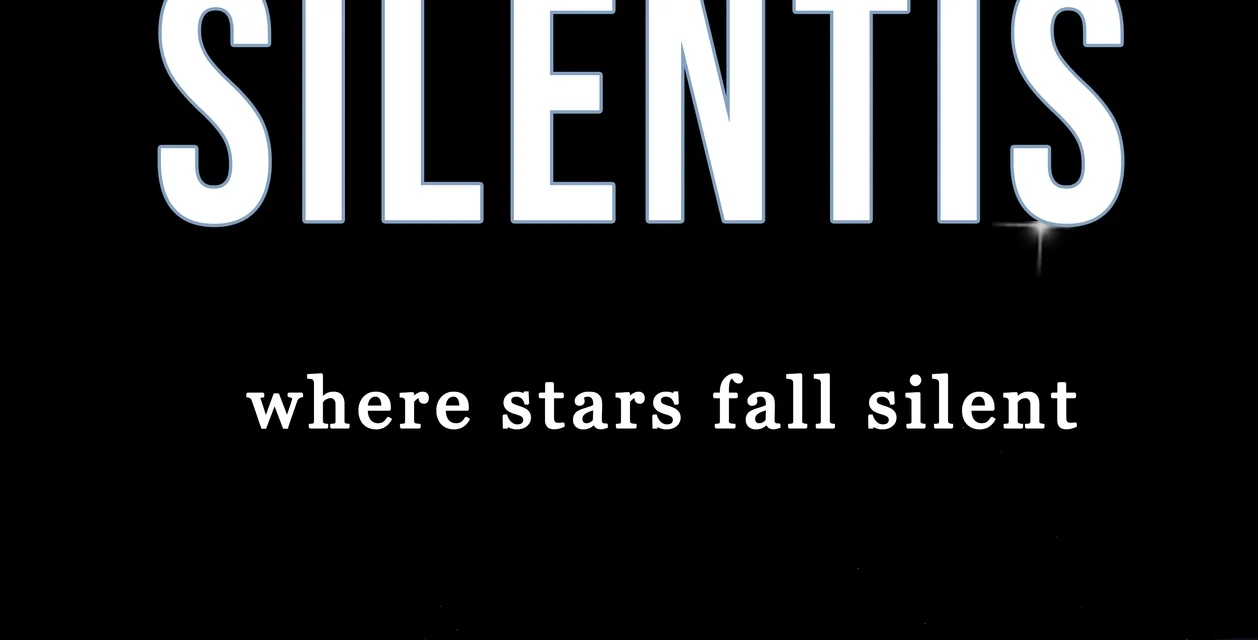
Res Silentis – where stars fall silent by Eduardo Garbayo is the kind of hard science-fiction novel that quietly insists on being taken seriously. It wears its technical backbone with confidence—rigorous, plausible, and cared for—yet what lingers after the last page is not equations but questions: about how we read silence, how institutions react to the unknown, and what it means for a species built on curiosity to confront something that simply isn’t explained away. Think less spectacle, more a high-precision probe of ideas.
Garbayo builds a story from the ground up: meticulous setup, believable procedures, and a lived-in culture of engineers and mission controllers who react exactly as you’d expect people trained in risk and protocol to react. The novel’s mastery is that it never cheats the reader with facile drama; instead it lets the science and the social machinery play out as the primary tension. The pacing is deliberate but never sluggish—scenes of operational detail alternate with quieter passages of philosophical reflection, and by the time the narrative reaches its turning points you feel the pressure of consequences rather than the cheap rush of surprise.
Stylistically, there are echoes of the old masters—an affectionate nod to the adventure and clarity of writers like Jules Verne—but the book is very much of the 21st century: technically literate, skeptical where appropriate, and humane where it matters. Dialogue and character moments humanize the high-concept framework; characters are not mere mouthpieces for theory but people whose loyalties, pride, and small vulnerabilities make the scientific questions feel urgent on a human scale.
One of the novel’s greatest strengths is restraint. Garbayo resists melodrama and the temptation to overexplain. The result is a narrative that trusts the reader’s intelligence: clues and protocols accumulate, and meaning emerges not as an explicit reveal but as a gradual reorientation of the reader’s assumptions. That restraint turns the book into something rarer than a clever idea—an elegiac, reflective work that nonetheless reads like a page-turner for anyone who enjoys rigorous worldbuilding.
No spoilers: this is a first-contact story told through the language of engineer’s checklists and committee memos, and that perspective makes it feel both fresh and plausibly grounded. If you like hard science fiction that privileges methodical thinking and ethical complexity over pyrotechnics, this novel deserves a prominent place on your shelf. It may not shout about being a classic, but it has the quiet, structural qualities that could allow it to age into one. Highly recommended for readers who want their speculative fiction smart, serious, and thoughtfully human.